Overview
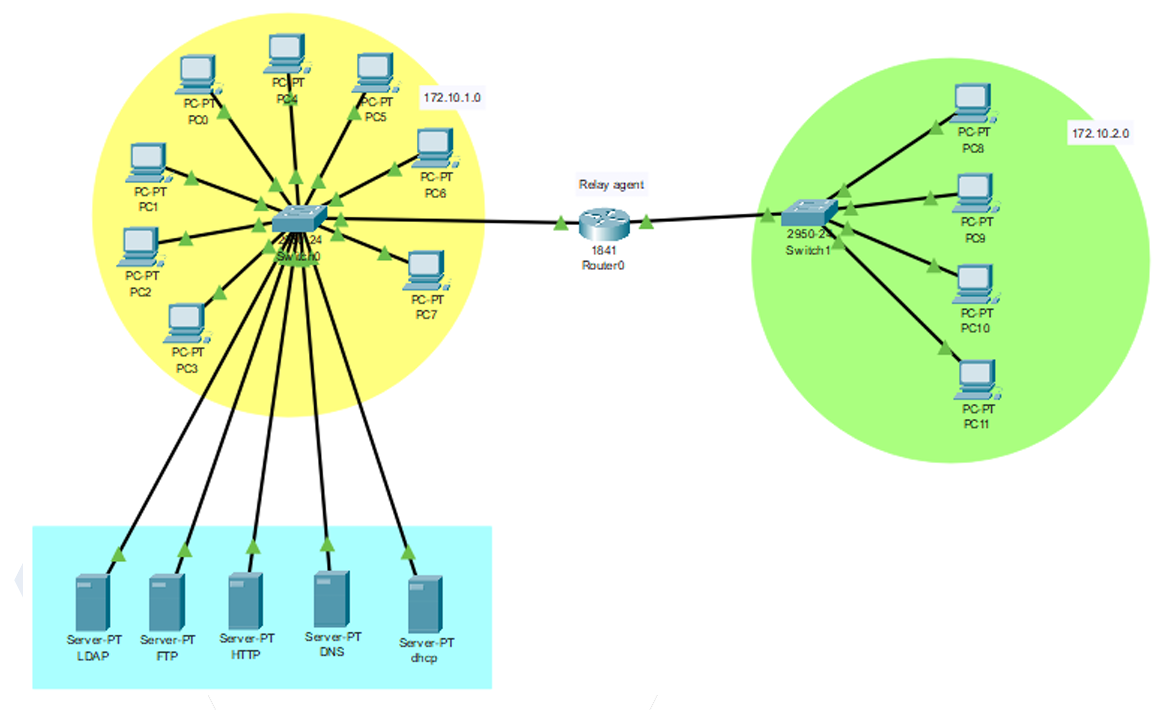
This project focused on designing and configuring an enterprise network on a Linux-based infrastructure. The network consists of multiple subnets connected via a router acting as a relay agent, with services distributed across dedicated servers. The goal was to ensure secure communication, authentication, and efficient resource sharing among users.
Network Architecture
- Two Subnets: Separate networks connected through a router.
- Router & Switches: Facilitates communication between devices and servers.
- Dedicated Servers: Each protocol has a designated server for optimized performance.
Configured Services & Protocols
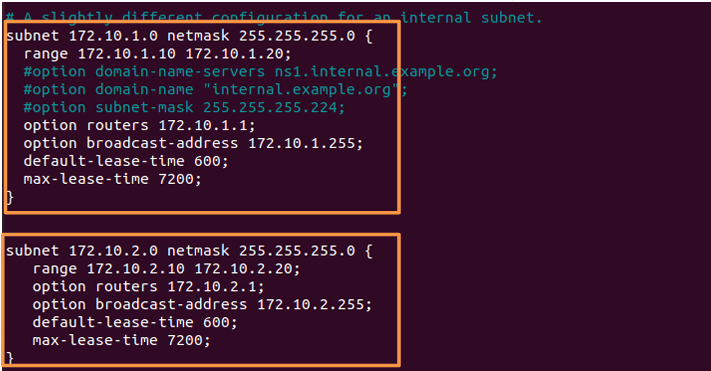
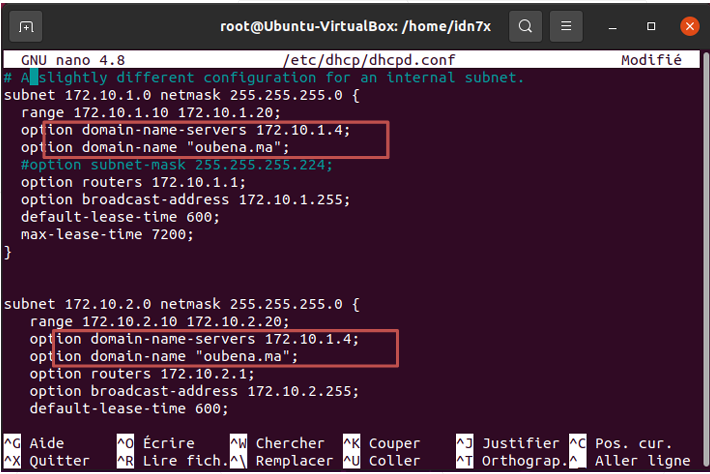
- DHCP (Dynamic Host Configuration Protocol)
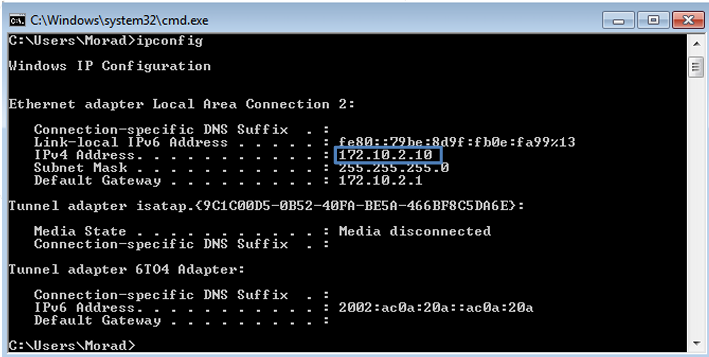
- Implemented a DHCP server to dynamically assign IP addresses to clients.
- Configured a relay agent to link both subnets.
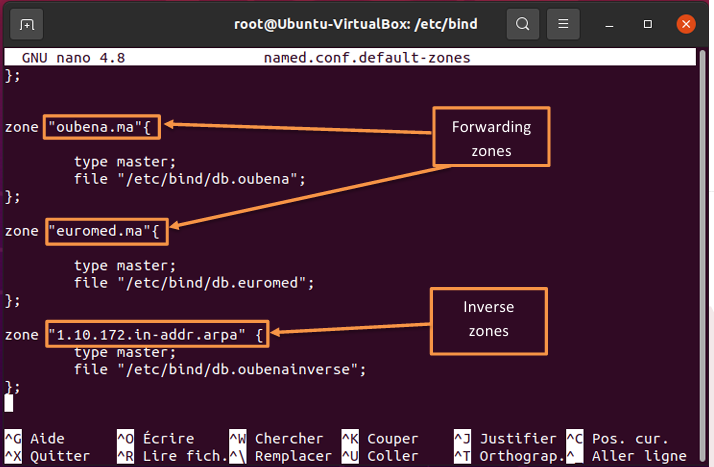
- DNS (Domain Name System)
- Set up a master DNS server using BIND9.
- Configured a slave DNS server to improve redundancy and security.
- Integrated domain name resolution with enterprise authentication.
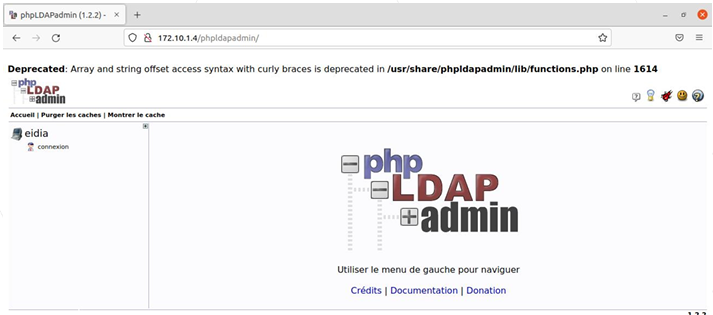
- LDAP (Lightweight Directory Access Protocol)
- Configured LDAP with SLAPD for centralized user authentication.
- Allowed secure storage and management of credentials.
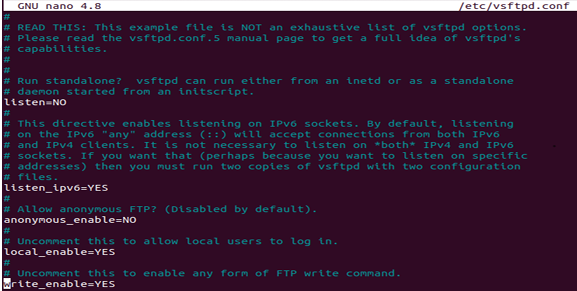
- FTP (File Transfer Protocol)
- Set up an FTP server using vsftpd for secure file sharing within the enterprise.
- Restricted access to users within the local subnet.
-
Mail Server (Postfix & Courier-IMAP)
- Deployed a mail server to handle internal email communication.
- Configured spam filtering and mailbox management.
-
HTTP & HTTPS (Web Hosting with Apache2)
- Hosted two web pages: one public and one with restricted access.
- Integrated SSL/TLS for secure communication.
Security Measures Implemented
- Firewall & Access Control: Configured iptables and firewall rules to restrict unauthorized access.
- User Authentication & Access Rights: LDAP managed authentication for network resources.
- SSL/TLS Encryption: Ensured secure communication over HTTP and mail services.
- Backup & Failover Strategies: Implemented a slave DNS server to prevent downtime.
Results & Achievements
- Successfully established a fully functional enterprise network on Linux.
- Ensured seamless connectivity and authentication between users and services.
- Improved security with encrypted communications and access controls.
- Demonstrated the ability to configure and manage essential enterprise networking services.
Practical Demonstration
A hands-on demonstration was conducted showcasing:
- Client DHCP IP assignment.
- Domain resolution via DNS.
- User authentication with LDAP.
- Secure file transfer using FTP.
- Internal email exchange with Postfix.
- Secure web hosting with HTTPS.
Contributors
- Imad-Eddine NACIRI